

Celtic have around one week to invest in players or send off another massive payment to HMRC for Corporation Tax.
While the product on the pitch disintegrates with each passing transfer window HMRC are the real winners.
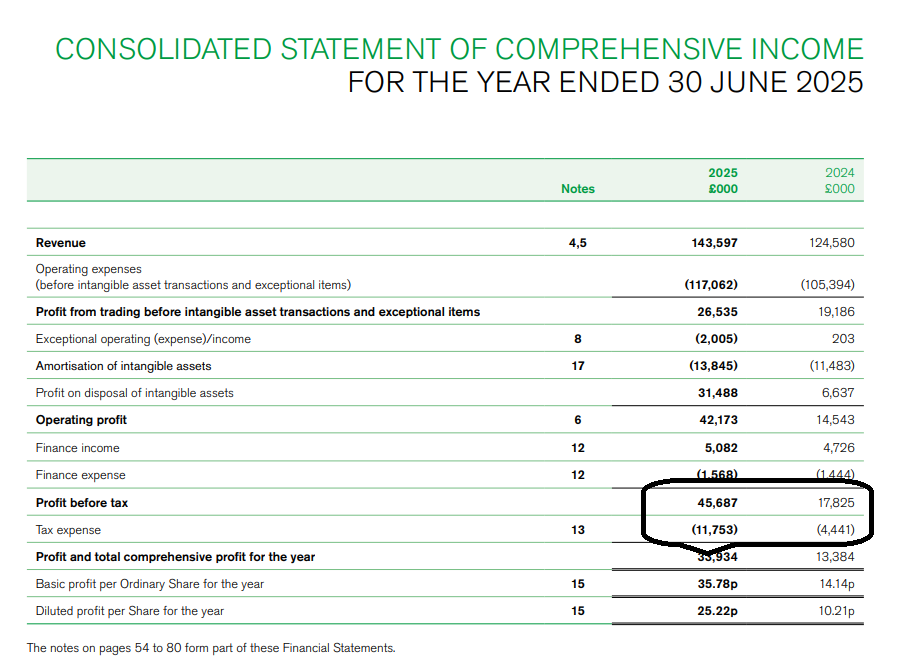
During season 24/25 Celtic paid £11.753m in Corporation Tax on a profit of £45.687m.
Effectively the profit figure was similar to the income received from playing five Champions League matches.
Rather than reinvest that in the club, either players or infrastructure the money stayed in the bank account with HMRC paid just over a quarter of that figure.
A fee of around £11m was spent on Arne Engels in August 2024, more than that figure went directly to HMRC.
The fee for Engels was released after selling Matt O’Riley to Brighton for £25m. Auston Trusty and Luke McCowan were signed at the same time, a few weeks earlier £9m was spent on Adam Idah.
As ever the aim at every transfer window is to generate a profit. Season 24/25 spending was funded by the O’Riley fee. With a small amount left over despite the guarantee of Champions League income.
Below is the figures from the 24/25 Annual Report.
Signing Engels, Trusty and Idah contributed greatly to Celtic’s Champions League success in season 24/25.
Rather than repeat that formula in the summer of 2025 Michael Nicholson decided to cash in and reduce the quality of the squad.
SELL BEFORE BUYING- PROFIT BEFORE PLAYERS- THE CELTIC WAY
Nicolas Kuhn was sold at the start of July with no replacement right-winger signed.
Having failed to replace Kyogo Furuhashi in January Nicholson then sold off Idah, again with no replacement brought in.
During July Shin Yamada was signed, a player rejected in January by Brendan Rodgers. To the surprise of no-one Rodgers resigned at the end of October.
Other football clubs won’t sign players in June because they have spent to the limit the previous summer. Often topped up by a January signing or two.
Celtic are in exactly the opposite position. They have no plans to invest the income over the year back into the club. Generating profit resulting in Corporation Taxed seems to be the target.
Despite the failure to reach the Champions League last season profits will again be healthy but not as for the 24/25 season.
Ben Nygren was announced as a signing on June 27 last season, included in the 24/25 season accounts.
With the new year underway Kuhn was sold for £17m, at the end of the window Idah was sold for £7m.
Around £1.5m was spent on the Yamada and Hayato Inamura. That was it until after the Champions League failure against Kairat Almaty.
On the back of that £10m was wasted on Michel Ange Balikwisha and Sebastian Tounekti. Two left-wingers when the real need was on the right wing and striker positions. After the window closed free agent Kelechi Iheanacho was signed.
THE FAILED TRANSFER MODEL IS REPEATED
January was expensive in terms of the wage bill. Five loan players came in. Once the window closed Alex Oxlade-Chamberlain was signed on a short term deal.
Thanks to the Idah and Kuhn deals Celtic made a profit of around £14m from the transfer window.
Clearly there has been no plan or strategy to improve the squad. Or even any intention.
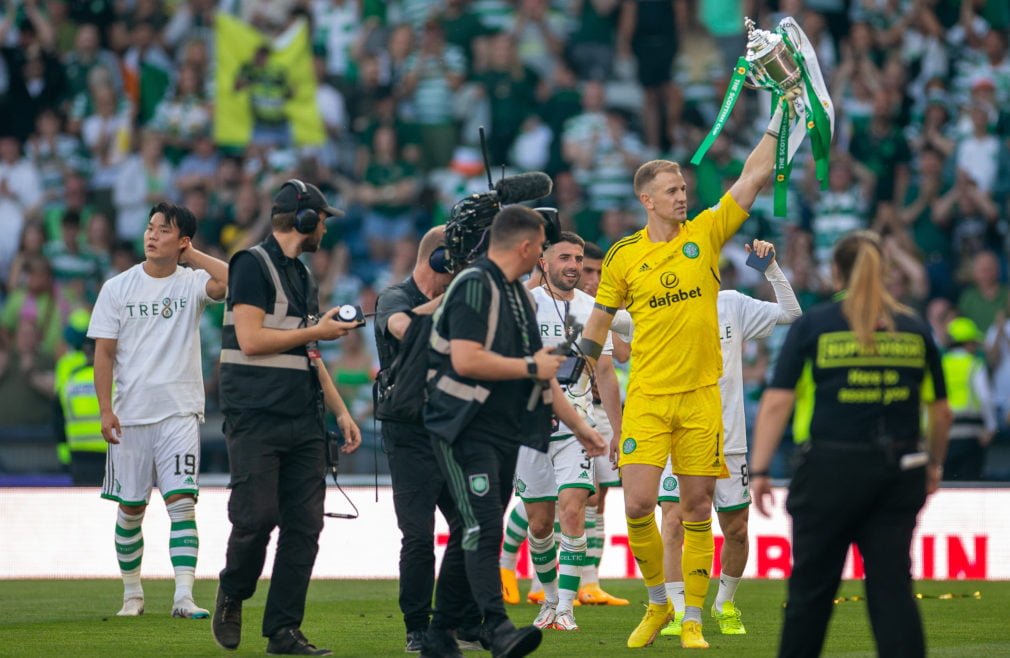
More than four weeks have passed since the Scottish Cup Final win against Dunfermline. The Champions League Play Off tie is less than two months away.
It is universally accepted that Daizen Maeda and Arne Engels will be sold at some stage over the summer window.
Spending money in June would be the tax efficient way to invest. Use some of the 25/26 profits to get a team together for 26/27. But not at Celtic.
HMRC will see a nice chunk of the 25/26 profits.
O’Neill will almost certainly have to wait for players to leave before he is allowed to make signings.
And what sort of players and agents will want to sign for a club clearly involved in a managed decline? Only those with a lack of other options.
Select Celtic365 as a “Preferred Source” on Google News for prompts to the independent news and opinions that you respect.
RELATED READING
CLICK HERE for Pat Nevin’s punches thrown at Shankland transcript.
CLICK HERE for first threat to Dermot Desmond’s power over Celtic.




5 Comments
by Anton Declan
Sorry if I’ve misread you but did you speak to an accountant before releasing the article? There’s a big and distinct difference between profit and cash. Despite that, I get your underlying message…..COYBIG!
by Editor
Clearly it is not a one for one relationship.
Spend £10m on players and reduce your Corporation Tax bill by around £2.5m.
If they had spent £40m more on players and infrastructure in 24/25 then the Corporation Tax bill would have been around £1m. Which is why well run clubs run at break even, why generate profits when 25% goes straight out the club?
by Stevie
Then why don’t you practice what you preach and give up your season ticket?
Yeah I thought not.
by Che
Maybe Desmond and his cabal of corporate greed and austerity fc are also happy to give our money to hmrc , some of that will find its way into support of the monarchy. Stop giving them your money or you are complicit
by Martin Kennea
Celtic fans , yes , Celtic fans have f**ked . it , again , by buying season tickets