At the end of a week that came straight from Hades it seems somehow appropriate to reference Paradise Lost. A Desmond Production.
John Milton’s Satan famously declared that it was “better to reign in Hell than serve in Heaven”.
Looking at the modern history of Celtic’s boardroom, it is difficult to escape the conclusion that Dermot Desmond has adopted a similar philosophy. Rather than succeed with elite coaches and executives he has shown that his preference is for failure with someone more malleable.
So that’s no to Dom McKay and yes to Michael Nicholson.
And a volley of verbal abuse for Brendan Rodgers but warm words for Wilf Nancy and Neil Lennon.
Elite managers are ambitious. They seek the biggest stages and the most competitive leagues. But ambitious managers also want to work within ambitious structures. They want modern sporting departments, clear lines of authority and a vision that extends beyond the wishes of a dominant shareholder.
Celtic have too often appeared to operate according to the preferences of Dermot Desmond rather than the requirements of a major European football club.
So when you find out that you can’t live with a talented coach turn to a familiar face. Try Neil Lennon. And when that is no longer an option there’s always Martin O’Neill.
At 74 years old, O’Neill remains one of the most respected figures in Celtic’s modern history. His achievements at the beginning of the century transformed the club and restored belief among supporters. His experience and football knowledge remain beyond question.
NOSTALGIA IS NOT A SUBSTITUTE FOR STRATEGY DESPITE WHAT DESMOND IMPOSES
Yet bringing back familiar figures is not a strategy. It is a symptom, it can provide stability in the short term. It can reassure supporters, it can even produce positive results for a while. But nostalgia is not a substitute for succession planning, and looking backwards is not the same as building for the future.
Football has changed dramatically since O’Neill’s first spell in Glasgow. The most successful clubs now operate with sophisticated recruitment departments, Sporting Directors and long-term performance plans designed to survive changes in management. The manager is a key component of the structure rather than the structure itself.
Celtic continue to behave as though personalities can solve problems that only institutions can fix.
That is where responsibility must now fall upon the rest of the board.
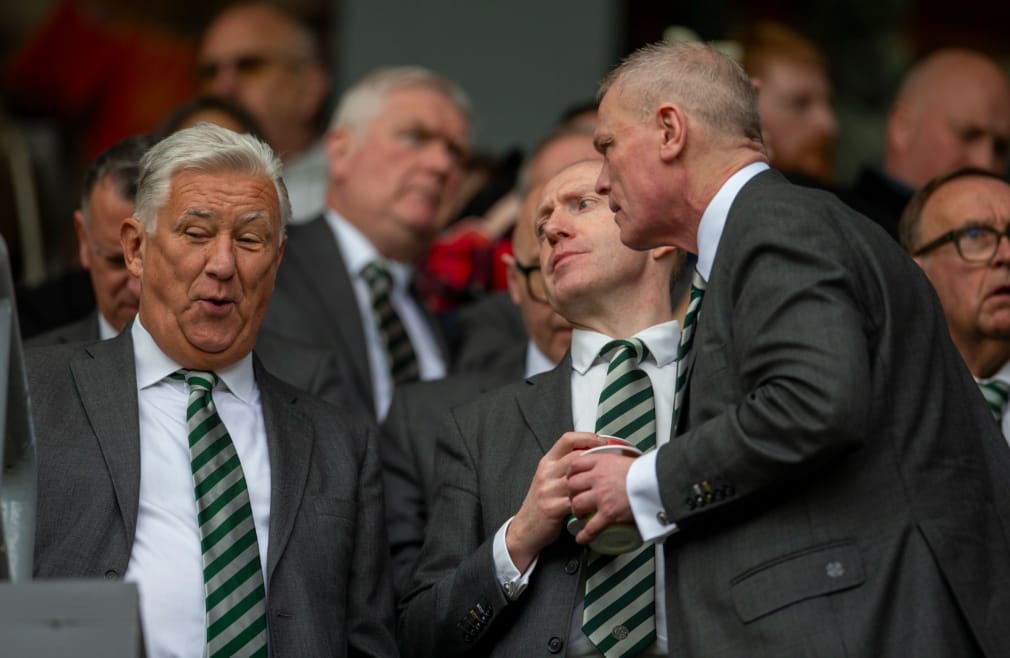
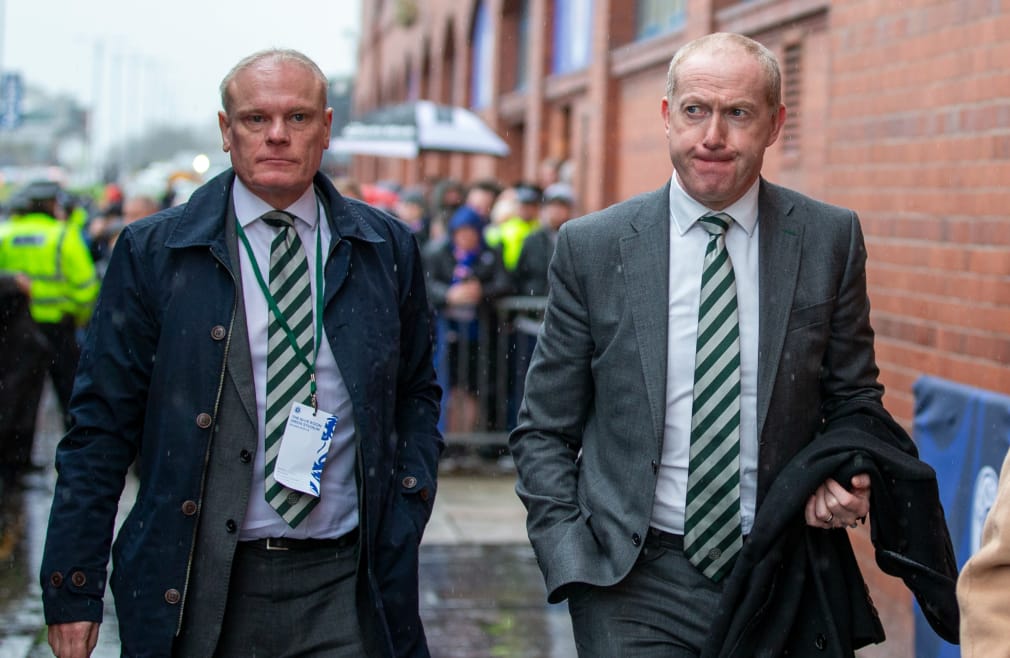
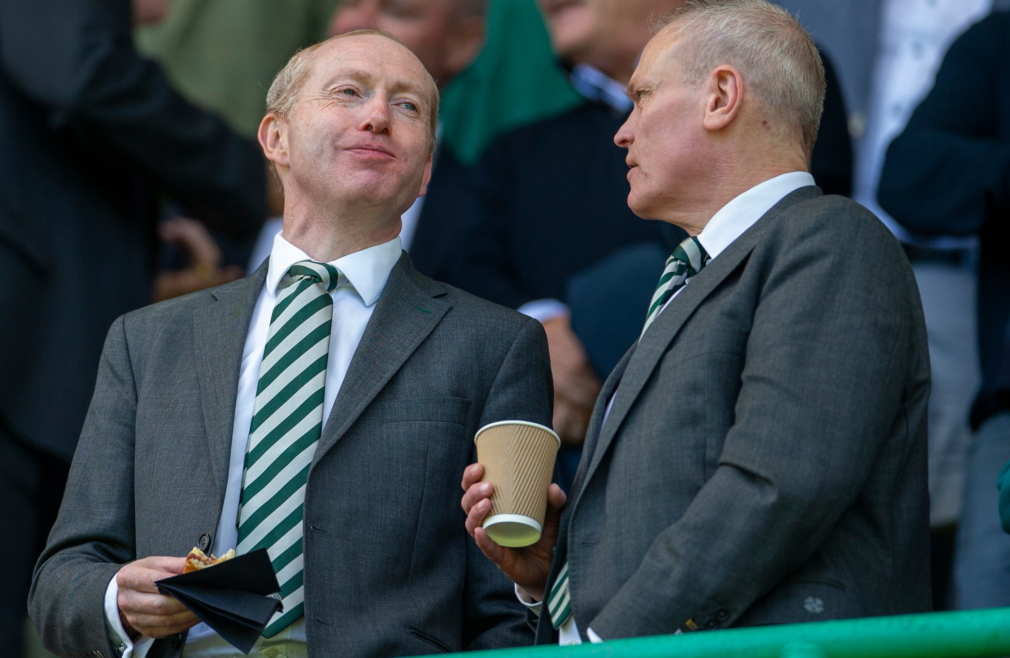
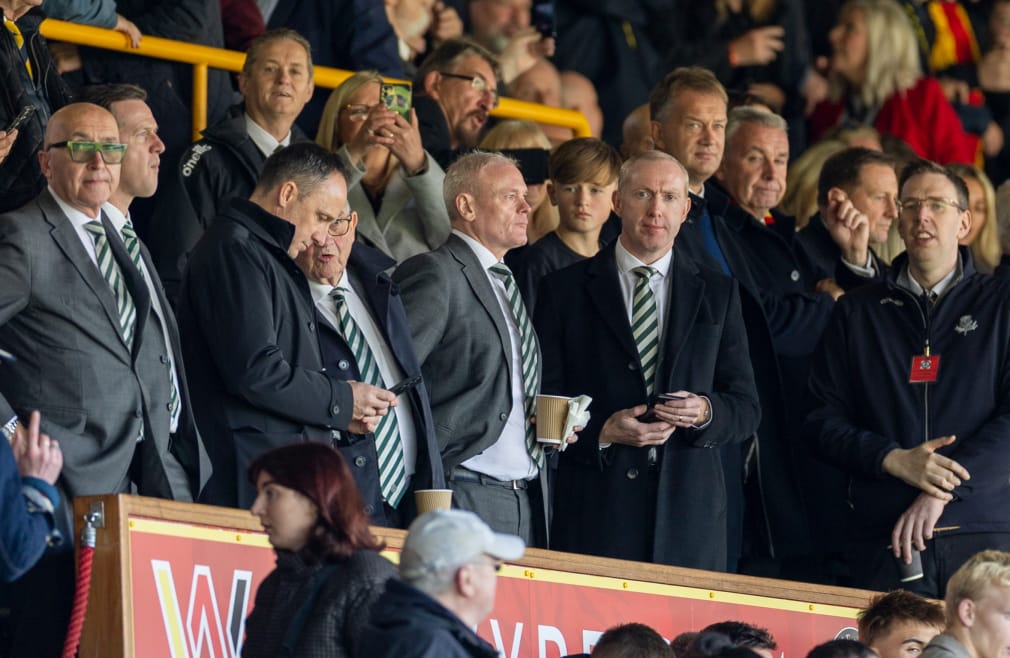
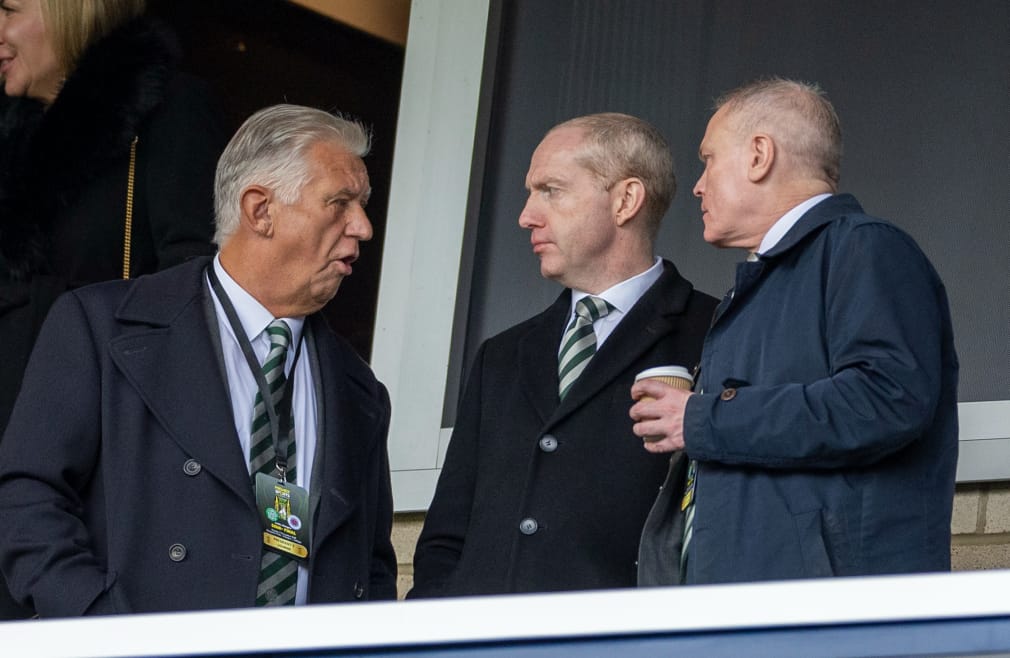
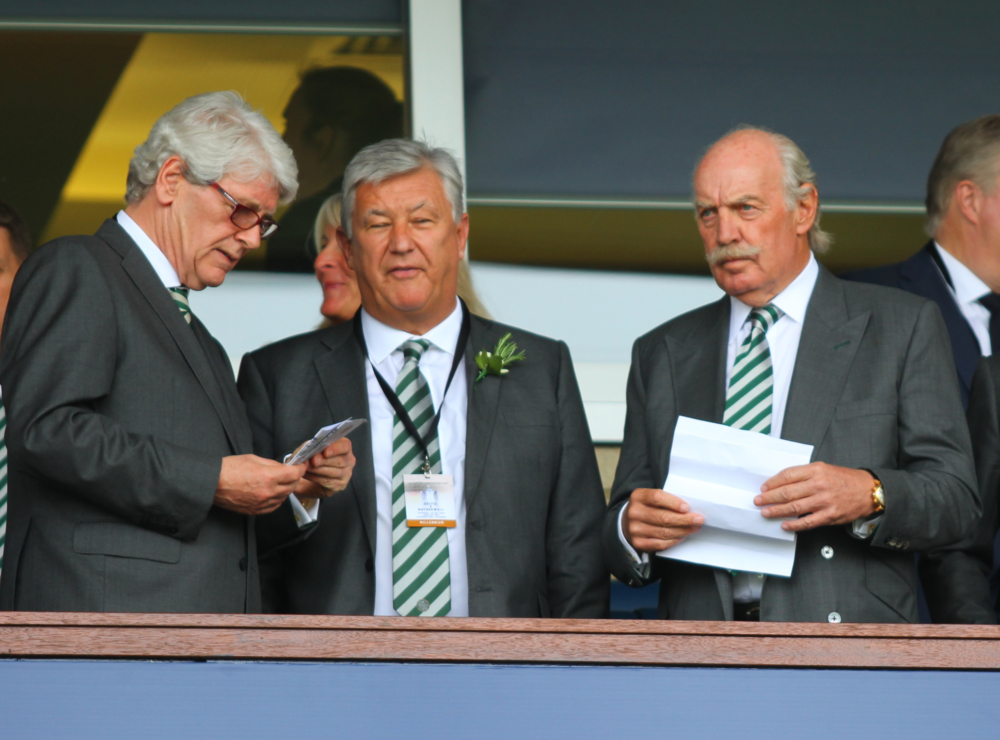
Too often Celtic’s directors have appeared content to allow the club’s strategic direction to be shaped by one billionaire. The purpose of a board is not to endorse every preference of its most powerful figure. Its purpose is to govern.
That means asking difficult questions.
Why has Celtic struggled repeatedly to establish a football department that can flourish independently of particular personalities? Why does the club continue to rely on familiar names whenever a challenge emerges? Why has there been so little evidence of long-term planning designed to ensure continuity regardless of who occupies the manager’s office?
Most importantly, why is the board prepared to tolerate a situation in which one individual exerts such influence while remaining largely absent from the everyday life of the club?
For many supporters, that is the most frustrating aspect of all.
2/4 They then tell the Desmond’s the moronic “anti-establishment” fans are the problem. The most entitled people in Celtic are the middle and upper classes stealing a wage and enjoying the benefit of not being held to account by absentee landlords they share a social class with.
— DJP (@deejaypb) September 21, 2026
THE ABSENTEE LANDLORD THAT DICTATES OVER CELTIC
Dermot Desmond is widely viewed as an absentee landlord. He rarely attends matches and only engages with the supporter base to deliver verbal abuse.
When mistakes are made, explanations are non-existent.
When major decisions prove controversial, accountability is impossible to find.
Supporters turn up every week. Shareholders invest their money. Both groups have every right to expect transparency and accountability from those who exercise power.
Celtic do not require another nostalgic appointment. They do not require another temporary fix. They require leadership willing to build a professional football club fit for the modern era.
The challenge now falls to the board. Its members must decide whether they exist to govern Celtic in the interests of the club or merely to facilitate the wishes of its controlling shareholder.
As long as they choose the latter, the cycle will continue. Familiar faces will return, underlying problems will remain unresolved, and opportunities for genuine progress will be squandered.
A club with Celtic’s resources, support and history should aspire to be more than a bauble for a billionaire.
The time has come for directors who care enough to take responsibility, who care enough to attend, and who care enough to put Celtic first.
Otherwise Dermot Desmond’s long reign of error will continue.
4/4 Celtic dont have experts, professionals in the building working towards an objective. Look at Chris McKay and his phone at Dundee? unbecoming, pathetic. Mute CEO. These are indicators of arrogance. The people in charge are too incompetent to see they are the issue. Its them
— DJP (@deejaypb) September 21, 2026
Select Celtic365 as a “Preferred Source” on Google News for prompts to the independent news and opinions that you respect.
RELATED READING
CLICK HERE for five reasons supporters don’t trust Celtic Connect.
CLICK HERE for decision time over Not Another Penny